What Every Business Owner Should Know
Modern businesses are always on the move. Delivery vans drop off products, service trucks head to job sites, and sales reps crisscross town to meet clients. Any time a vehicle is used for business, your company faces risks that a personal auto policy may not fully cover. Commercial auto insurance is designed to handle those business exposures.
What Counts as a Commercial Vehicle?
A vehicle is considered commercial when used mainly for business purposes. That includes branded vans, box trucks, and service trucks, as well as sedans used for sales calls, client visits, or the delivery of supplies. Gray areas appear with gig work or mixed personal and business use, which is why it helps to be clear with your agent about how and how often each vehicle is used.
Who Needs Commercial Auto Coverage?
Any business that owns or leases vehicles for operations should consider commercial auto insurance. Contractors with pickups full of tools, food trucks, cleaning services, landscapers, delivery companies, and mobile professionals often rely on vehicles every day. Owners who use a personal car for regular business tasks can face coverage gaps if an accident occurs while they are on the job. Companies with multiple vehicles, drivers on payroll, or higher-risk uses such as transporting goods or passengers usually need the broader liability protection that a commercial policy provides.
Vehicles, Drivers, and Gaps to Watch
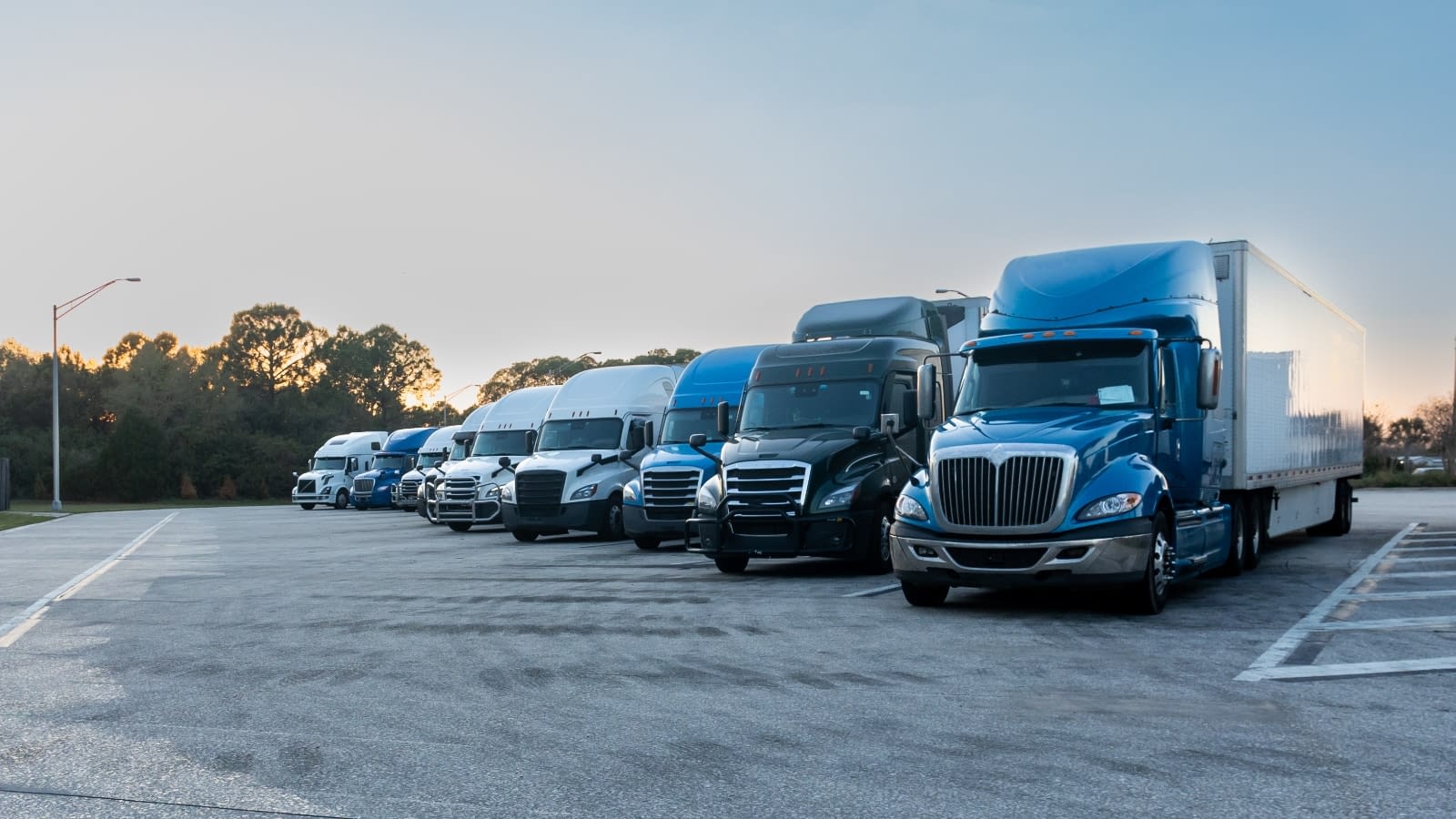
Commercial auto policies can insure many types of vehicles, including cars, vans, pickups, service trucks, food trucks, and semis. The policy typically lists covered vehicles and scheduled drivers, such as employees and owners, so it is important to keep that information up to date as staff or equipment changes.
Coverage for tools, equipment, and materials carried in a vehicle may be limited. Expensive gear or inventory often requires separate inland marine or commercial property insurance. Some contracts also require specific liability limits or proof of commercial auto coverage before you can work on a job. Matching your policy to those requirements protects both your business relationships and your balance sheet.
Hired and Non-Owned Auto, and What Affects Cost
Many businesses overlook the risk created when employees use personal cars or rental vehicles for work errands. If an employee causes an accident while making a bank run, visiting a client, or picking up supplies, your company can still face a time-consuming claim. Hired and non-owned auto coverage helps protect the business in these situations, even when the company does not own the vehicle.
Several key factors influence premiums:
- Driving records: Tickets, accidents, and prior claims for listed drivers.
- Vehicle types: Size, weight, and safety features of each unit.
- Industry risk: The nature of your work and typical driving conditions.
- Mileage and territory: How far vehicles travel and where they operate.
- Garaging and security: Where vehicles are stored and how they are protected.
Cost-control strategies include written safe-driving policies, motor vehicle record checks, driver training, telematics or monitoring programs, and regular policy reviews to ensure limits and deductibles align with your risk tolerance and budget.
Review Your Commercial Auto Fleet and Coverage
Commercial vehicles are central to many operations, so protecting them correctly is critical. Keep an updated list of vehicles and drivers, note how each vehicle is used, and share those details with your insurance professional. A focused review can help you confirm that liability limits, physical damage coverage, and hired and non-owned protections align with how your business actually operates today and as it grows. We can help! Give us a call at (412) 650-5700.